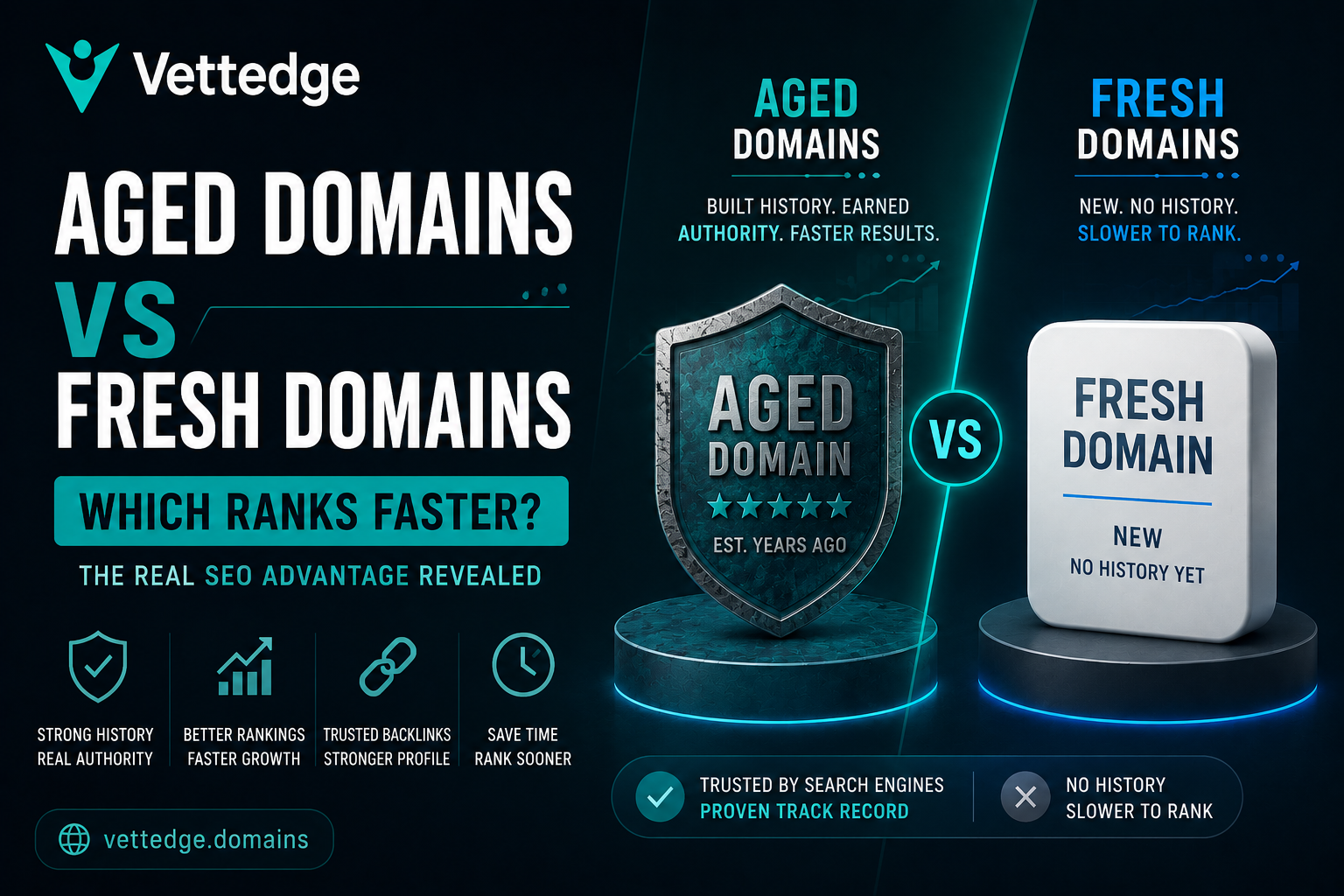
Aged Domains vs Fresh Domains: Which Is Better for SEO
Muhammad Saad
Author
May 12, 2026
10 min read
Learn the key differences between aged domains and fresh domains, their SEO advantages, risks, and which option works best in 2026.
Starting a website in 2026 is exciting, but it also comes with important decisions that can influence how quickly your website grows online. One question that continues to create debate among marketers, business owners, and SEO professionals is whether it makes more sense to start with an aged domain or build everything from scratch using a completely fresh domain. If you spend enough time reading SEO discussions, you will notice strong opinions from both sides.
Some people believe aged domains provide a major advantage because they already have authority, backlinks, and trust signals, while others prefer fresh domains because they offer a clean slate with fewer risks. The truth is that both options can work extremely well when approached correctly. An aged domain may help a website gain momentum faster in some situations, but it is not a shortcut to rankings.
At the same time, a fresh domain may require more patience, yet many successful online businesses started with absolutely no authority and eventually became leaders in their industries. Understanding the difference between the two approaches is important if you want to make smart long-term SEO decisions.
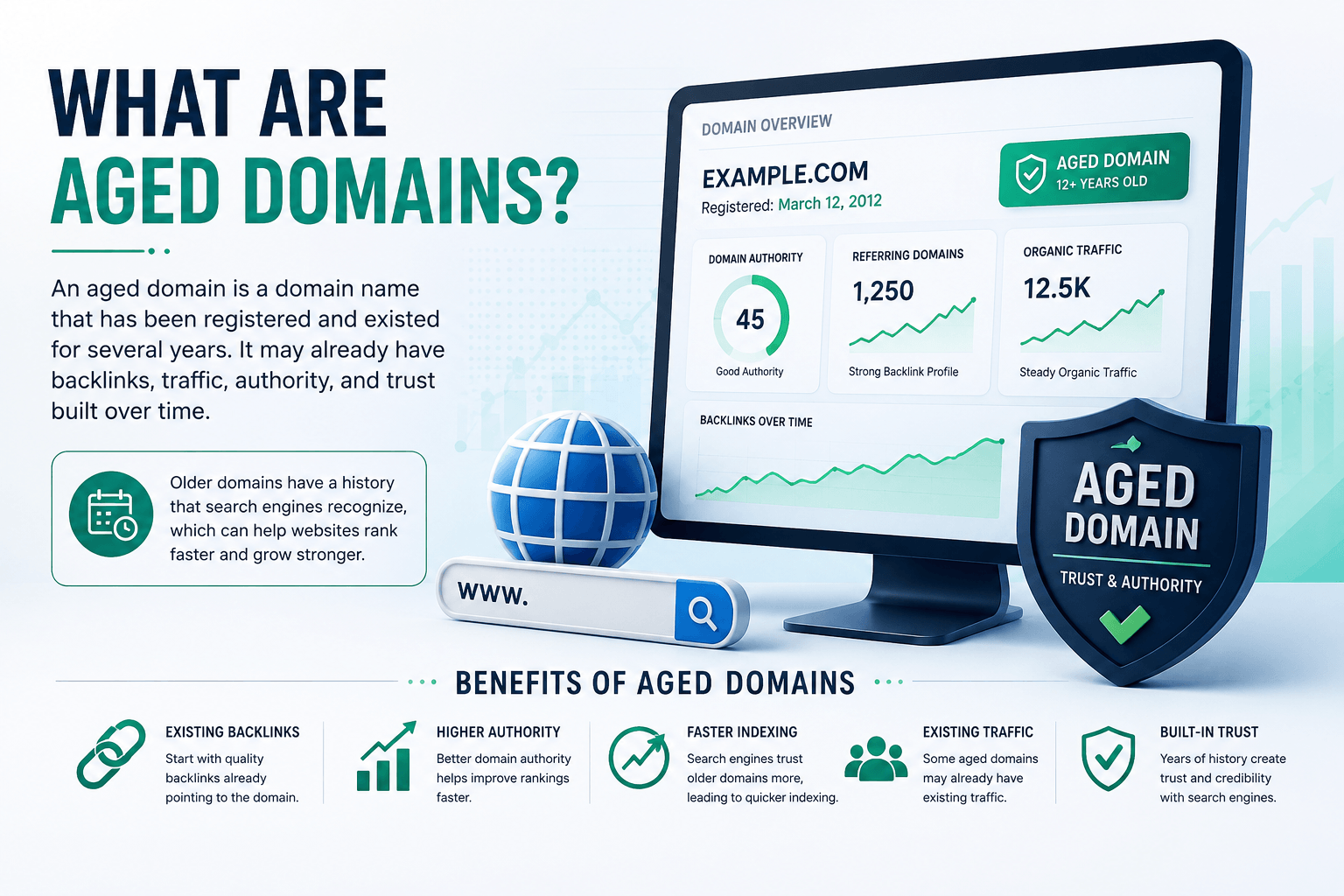
What Are Aged Domains?
An aged domain is a domain name that has already existed for several years instead of being newly registered. In many cases, these domains previously hosted websites, which means they may already carry backlinks, indexed pages, historical trust, and search engine visibility. Because of these signals, aged domains have become popular among marketers looking for faster ways to grow websites in competitive niches. However, one of the biggest misconceptions in SEO is believing that age alone automatically makes a domain valuable.
That is not how search engines work. A domain that has existed for ten years but carries spammy backlinks or poor history may perform worse than a brand-new website built correctly from day one. At the same time, a clean aged domain with strong relevance and quality backlinks can sometimes reduce the time required to gain visibility.
Imagine two domains that are both ten years old. One previously belonged to a respected technology website that earned backlinks naturally from trusted blogs and publications. The second domain was used for low-quality affiliate content and questionable SEO tactics. Although both domains have age behind them, their SEO value is completely different because trust and relevance matter much more than numbers.
This is why experienced marketers rarely buy aged domains blindly. Before investing in an aged domain, they usually investigate backlink quality, niche relevance, domain history, and whether the website previously maintained a strong reputation. A quality aged domain may already have signals that search engines recognize, but a poor-quality domain can quickly become an expensive mistake.
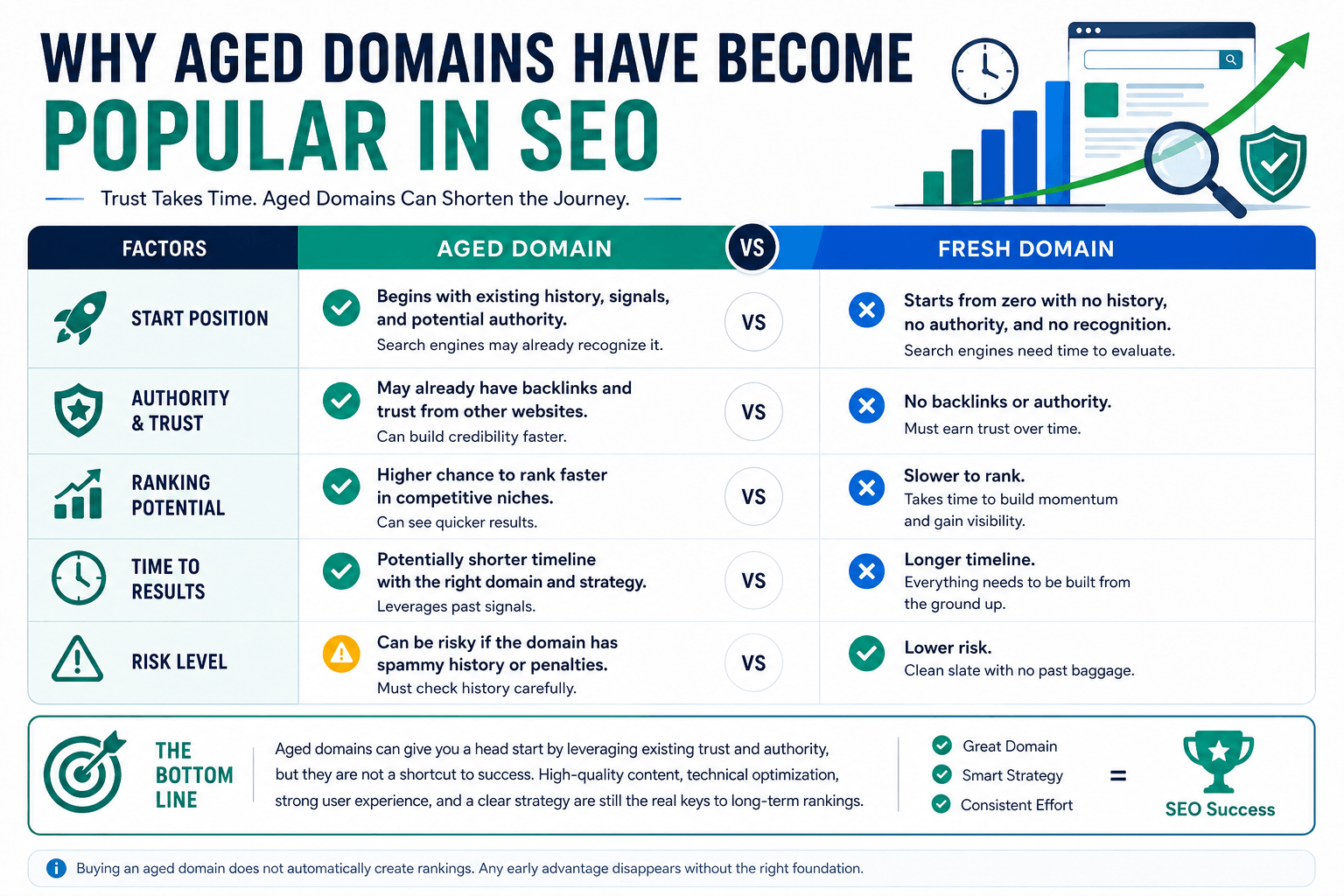
Why Aged Domains Have Become Popular in SEO
The reason aged domains have become so popular is simple: trust takes time to build. A completely fresh website begins with no authority, no backlinks, and no search engine recognition. Search engines need time to understand whether the website provides value, which means rankings can feel slow during the first few months. An aged domain can occasionally shorten that process because search engines may already recognize certain authority signals attached to it. For example, if a domain previously earned backlinks from respected websites in a similar niche, those signals may help establish credibility faster than starting from zero.
This is why many marketers entering competitive industries actively search for aged domains before launching new projects. Instead of spending years trying to build trust, they hope to build on authority that already exists. However, this is where many beginners misunderstand SEO. Buying an aged domain does not automatically create rankings. Even strong domains still require high-quality content, technical optimization, strong user experience, and a clear strategy. Without those things, any early advantage quickly disappears.
What Is a Fresh Domain?
A fresh domain is exactly what it sounds like: a completely new registration with no previous history attached to it. Search engines treat the website as entirely new, meaning there are no backlinks, authority signals, or rankings already connected to the domain. At first glance, this can seem like a disadvantage. Why start from zero when another domain may already have years of authority and trust? The answer often comes down to control. Fresh domains give businesses a clean slate. There are no inherited penalties, suspicious backlinks, or hidden SEO issues left behind by previous owners.
Every backlink earned, every page published, and every trust signal built comes directly from your own efforts. For startups and long-term brands, this level of control is extremely valuable because it removes uncertainty. Many businesses prefer fresh domains simply because they know exactly how their authority is being built. There are no surprises hiding in the background and no concerns about how the domain may have been used years ago. Of course, fresh domains also require patience.
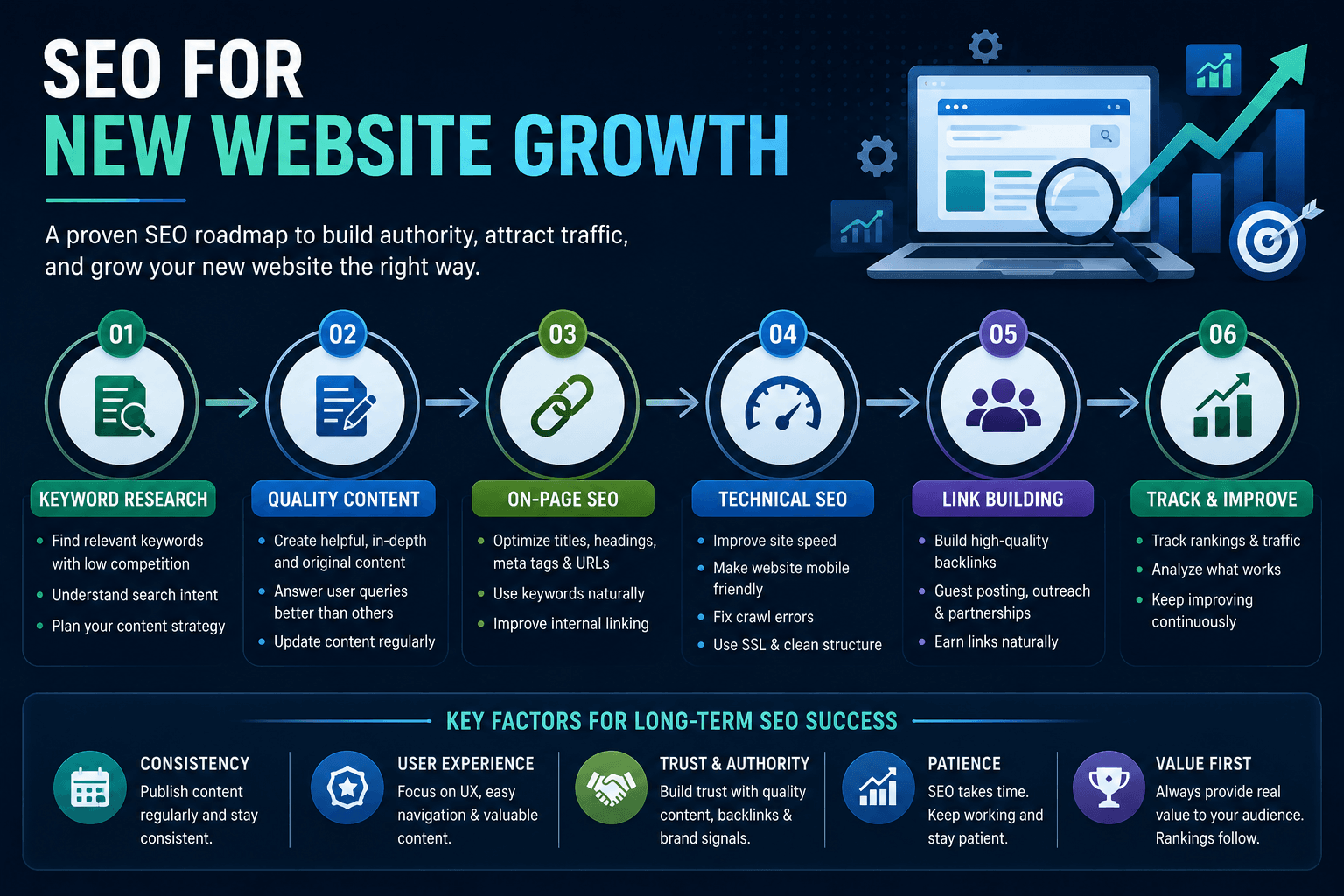
SEO for new website growth rarely happens overnight because search engines need time to evaluate content quality, user experience, and trust signals. Growth can feel frustrating in the beginning, especially when competitors already have strong authority, but this process is completely normal. Many successful websites started with no traffic, no backlinks, and no reputation. Their growth happened because they stayed consistent, published useful content, and focused on helping users over time.
Does Domain Age Really Matter for SEO?
Few topics create more confusion in SEO than domain age. Google has repeatedly explained that domain age itself is not a direct ranking factor. Simply owning an older website does not automatically guarantee better rankings. Technically, this is true. However, practical SEO often tells a more detailed story because older websites usually have advantages that fresh websites simply do not have yet. They often carry stronger backlink profiles, larger content libraries, greater topical authority, and years of trust built with users.
Think about it realistically. If two websites publish similar content today, but one has years of relevant backlinks and established authority while the other launched last week, which website feels more trustworthy? Most of the time, the established website has an advantage. This is one reason high domain authority websites consistently dominate competitive search results. Their authority was not built overnight. It developed gradually through consistency, quality content, and user trust. So while age itself may not directly influence rankings, what comes with age often matters significantly.
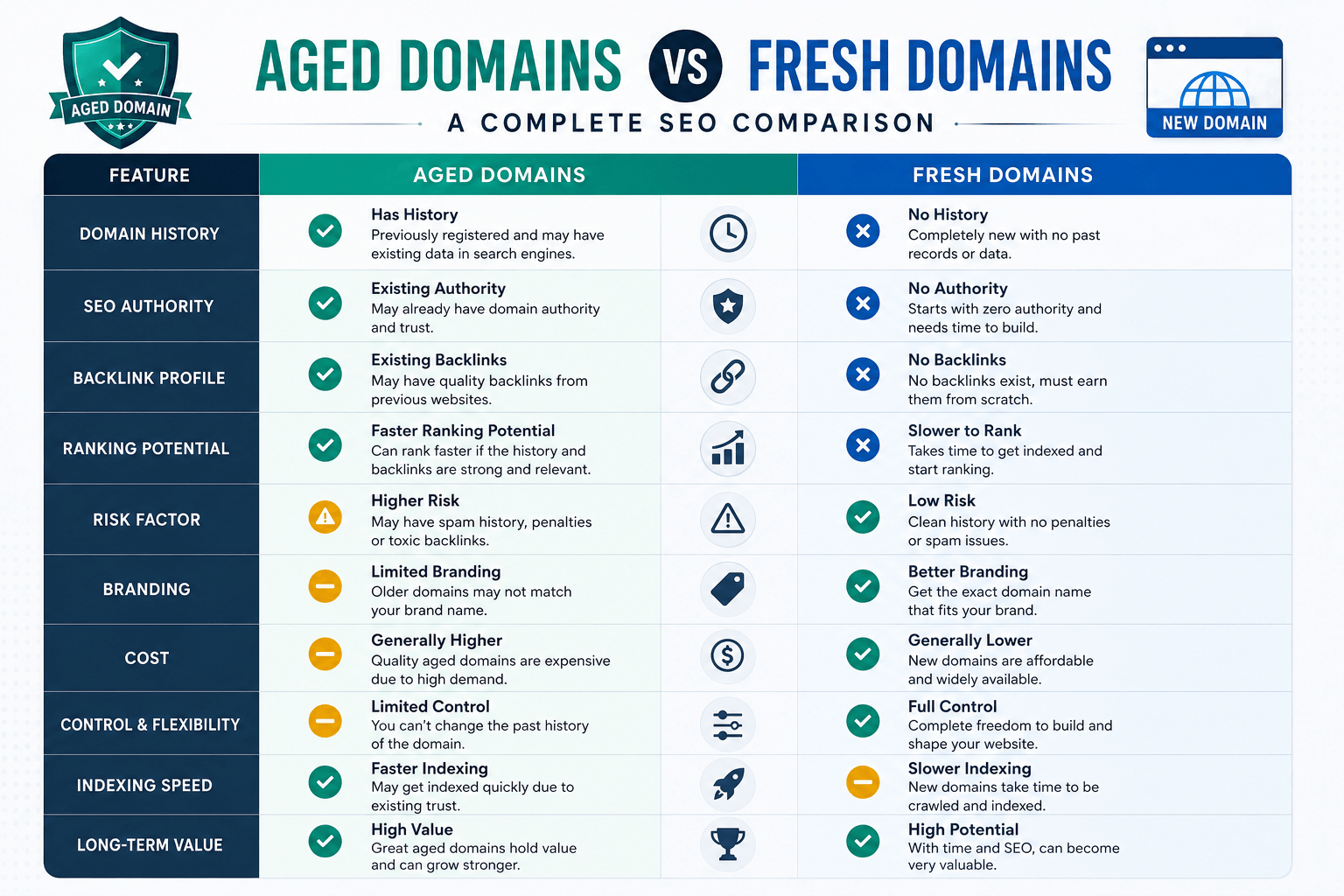
Aged Domains vs Fresh Domains: Understanding the Differences
Choosing between an aged domain and a fresh domain becomes easier when you understand their strengths and limitations. The comparison highlights something important: there is no universal answer. If speed matters and you find a quality aged domain with strong relevance, it may help create momentum. If long-term branding and complete control matter more, a fresh domain may provide a safer path.
Do Aged Domains Rank Faster?
Aged domains can occasionally rank faster when they already carry strong trust signals and niche relevance. If the domain has quality backlinks, clean history, and authority built over time, search engines may process it differently than a completely new website. For example, imagine launching a software company on a domain that previously covered technology-related content and earned backlinks from respected blogs. Search engines may already understand the domain within a related context, which can occasionally help rankings grow faster during the early stages.
However, many beginners misunderstand what this actually means. Buying an aged domain alone does not automatically create rankings. Even powerful domains still require quality content, technical optimization, internal linking, keyword research, and a smart linking strategy. Without those things, any advantage usually disappears quickly because search engines care much more about usefulness than shortcuts.
Why Some Aged Domains Fail
Not every aged domain is worth buying. Some domains may look powerful because they are old, but hidden issues underneath can create serious SEO problems. One of the biggest issues is backlink quality. Some domains previously relied on spammy tactics or low-quality SEO practices that left behind toxic backlinks. Others may have operated in completely unrelated industries, which weakens topical relevance.
Imagine purchasing a domain that previously focused on fitness and suddenly turning it into a legal or finance website. Even if the domain has age, the dramatic niche shift may reduce trust and make rankings harder. This is why research matters before buying aged domains. Checking backlink quality, indexing history, niche relevance, and previous website content can help avoid expensive mistakes.
Why Fresh Domains Still Work
Fresh domains are often underestimated because people assume new websites cannot compete with established websites. However, history repeatedly proves otherwise. Many successful online businesses started with no backlinks, no traffic, and no authority. Their growth happened through patience, consistency, and valuable content. Fresh domains provide something incredibly valuable: freedom.
There are no inherited penalties, suspicious backlinks, or hidden SEO problems to clean up. Everything built on the website reflects your own strategy and effort. For businesses focused on long-term growth, this clean foundation can become a major advantage. Rankings may take longer in the beginning, but sustainable SEO growth almost always rewards consistency.
SEO for New Website Growth: What Actually Works?
One mistake many website owners make is expecting quick results. Publishing random articles without structure rarely works anymore because search engines increasingly reward websites that build expertise over time. If your website focuses on SEO and domains, related content could naturally include aged domains, high domain authority sites, content strategy, technical SEO, backlinks, and website trust. This helps search engines understand expertise more clearly and improves topical authority.
Consistency matters too. Websites that continue publishing useful content month after month usually outperform websites constantly chasing shortcuts or every seo sale trend they see online. Most importantly, focus on helping users. Search engines reward websites that solve real problems rather than simply targeting keywords.
How To Choose a Great Domain
Choosing a great domain involves more than checking age alone. The best domains feel trustworthy, relevant, memorable, and aligned with your brand goals. If you are considering an aged domain, review the backlink profile and website history carefully before making a decision. At the same time, fresh domains should not be ignored simply because they lack authority in the beginning.
Many successful businesses built strong reputations from scratch because they focused on long-term quality instead of shortcuts. The right decision depends entirely on your goals, timeline, and strategy.
Final Verdict
So, should you choose an aged domain or start fresh? The answer depends on your niche, budget, competition level, and long-term goals. An aged domain may help websites gain momentum faster if it already carries clean backlinks, relevant authority, and strong history. A fresh domain, however, provides complete control and fewer hidden risks. At the same time, SEO success rarely comes from domain age alone.
Search engines care much more about useful content, trust, user experience, and consistency over time. Whether you choose aged domains or start from scratch, long-term success almost always comes from building genuine value for users and continuously improving your website.
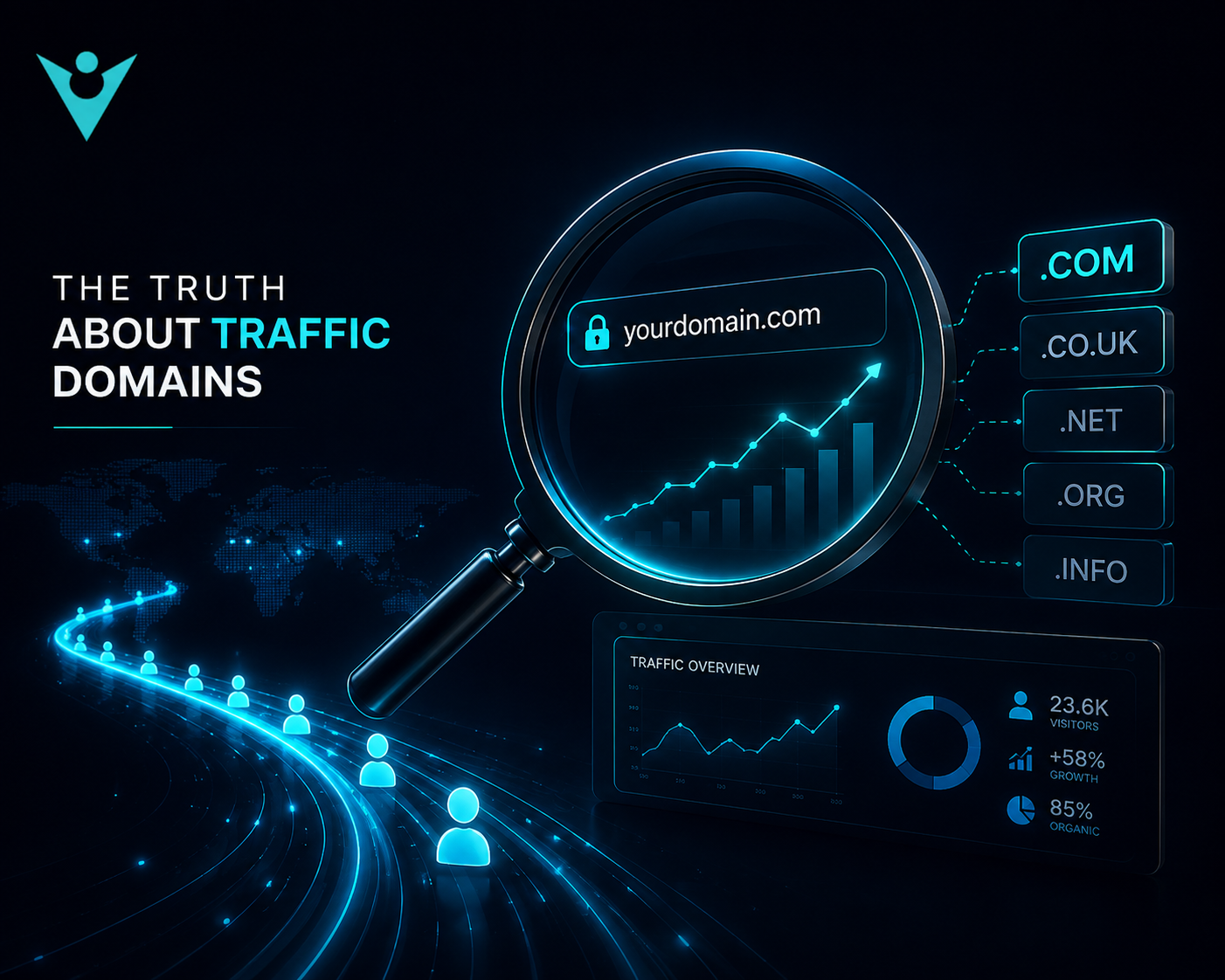
Most first-time buyers think a traffic domain simply comes with visitors attached. Experienced buyers know the numbers alone mean nothing — what matters is where that traffic came from, whether it's stable, and if it actually aligns with what you plan to build.
Muhammad Saad·10 min
What Nobody Tells You About Buying Your First Domain